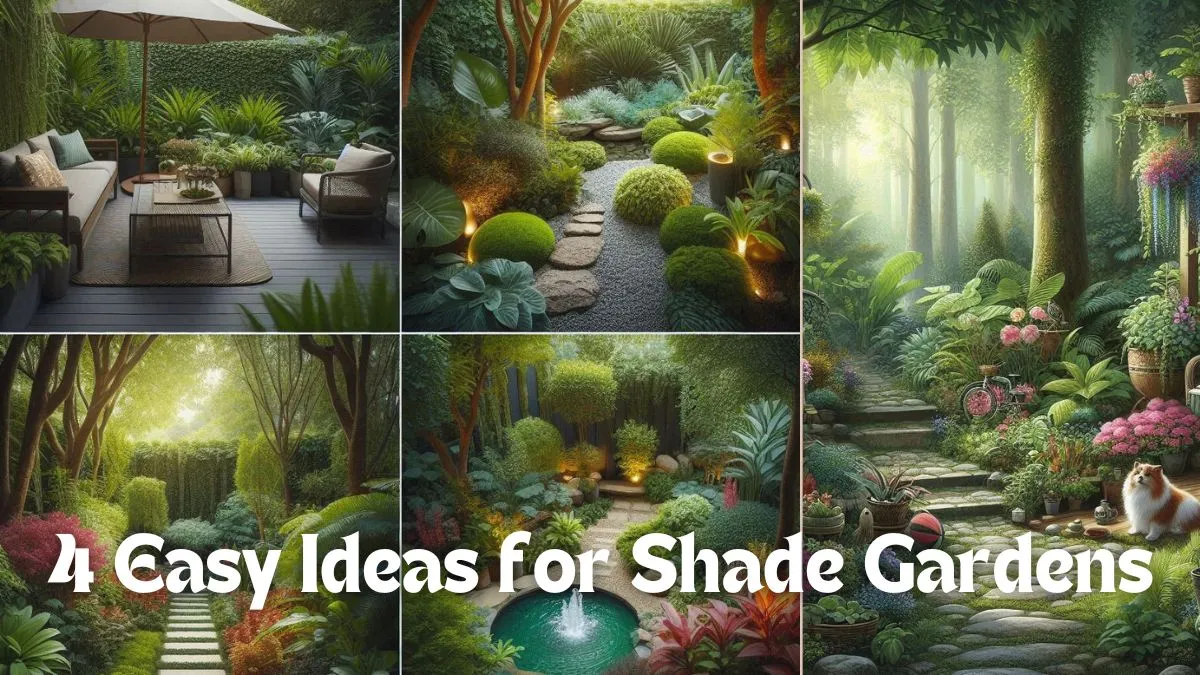
Shade gardens can be a delightful addition to your landscape, offering a cool, serene retreat from the sun. With the right plants and design ideas, you can turn even the shadiest corners of your yard into vibrant, lush spaces. Here are four easy ideas to help you create a beautiful shade garden.
1. Choose Shade-Loving Plants
The foundation of any successful shade garden is selecting the right plants. Many plants thrive in low-light conditions and can add color, texture, and interest to your garden. Some excellent choices include:
- Hostas: Known for their large, lush leaves, hostas come in various shades of green, blue, and even variegated patterns.
- Ferns: These plants add a delicate, feathery texture to your garden and thrive in shady, moist conditions.
- Astilbes: With their feathery plumes of flowers, astilbes add a splash of color to shady areas.
- Impatiens: These annuals are perfect for adding bright, cheerful blooms to your shade garden.
When selecting plants, consider their height, color, and texture to create a visually appealing garden. Mixing different types of plants will add depth and interest to your garden.
2. Incorporate Hardscape Elements
Adding hardscape elements to your shade garden can enhance its beauty and functionality. Consider incorporating the following:
- Paths and Walkways: Create winding paths using materials like gravel, stepping stones, or mulch. This not only adds structure to your garden but also makes it more accessible.
- Benches and Seating Areas: Place a bench or a couple of chairs in your shade garden to create a peaceful spot for relaxation.
- Water Features: A small fountain or birdbath can add a soothing sound and attract wildlife to your garden.
Hardscape elements provide a focal point and help define different areas within your garden, making it more inviting and enjoyable.
3. Use Containers and Raised Beds
Containers and raised beds are excellent options for shade gardens, especially if you have limited space or poor soil quality. They allow you to control the soil conditions and make it easier to manage your plants. Here are some tips for using containers and raised beds:
- Choose the Right Containers: Select containers that complement your garden’s style and are large enough to accommodate the root systems of your plants.
- Mix and Match Plants: Combine different plants in a single container to create a mini-garden. For example, pair ferns with hostas and impatiens for a lush, colorful display.
- Elevate Your Garden: Raised beds can be used to create different levels in your garden, adding visual interest and making it easier to care for your plants.
Containers and raised beds also allow you to move plants around to find the best light conditions and create new arrangements as needed.
4. Add Mulch and Ground Covers
Mulch and ground covers are essential for maintaining a healthy shade garden. They help retain moisture, suppress weeds, and add a finished look to your garden. Consider the following options:
- Organic Mulch: Use materials like shredded bark, wood chips, or compost to mulch around your plants. Organic mulch breaks down over time, adding nutrients to the soil.
- Ground Covers: Plants like creeping Jenny, ajuga, and vinca minor are excellent ground covers for shade gardens. They spread quickly, filling in gaps and creating a lush carpet of foliage.
Applying a layer of mulch or planting ground covers will help keep your shade garden looking neat and well-maintained.
Conclusion
Creating a shade garden is a rewarding way to make the most of the shady areas in your yard. By choosing the right plants, incorporating hardscape elements, using containers and raised beds, and adding mulch and ground covers, you can transform any shady spot into a lush, inviting haven. With these easy ideas, you’ll be well on your way to enjoying a beautiful shade garden that thrives without the need for direct sunlight.
Happy gardening! 🌿
Feel free to ask if you need more tips or have any questions about shade gardening!