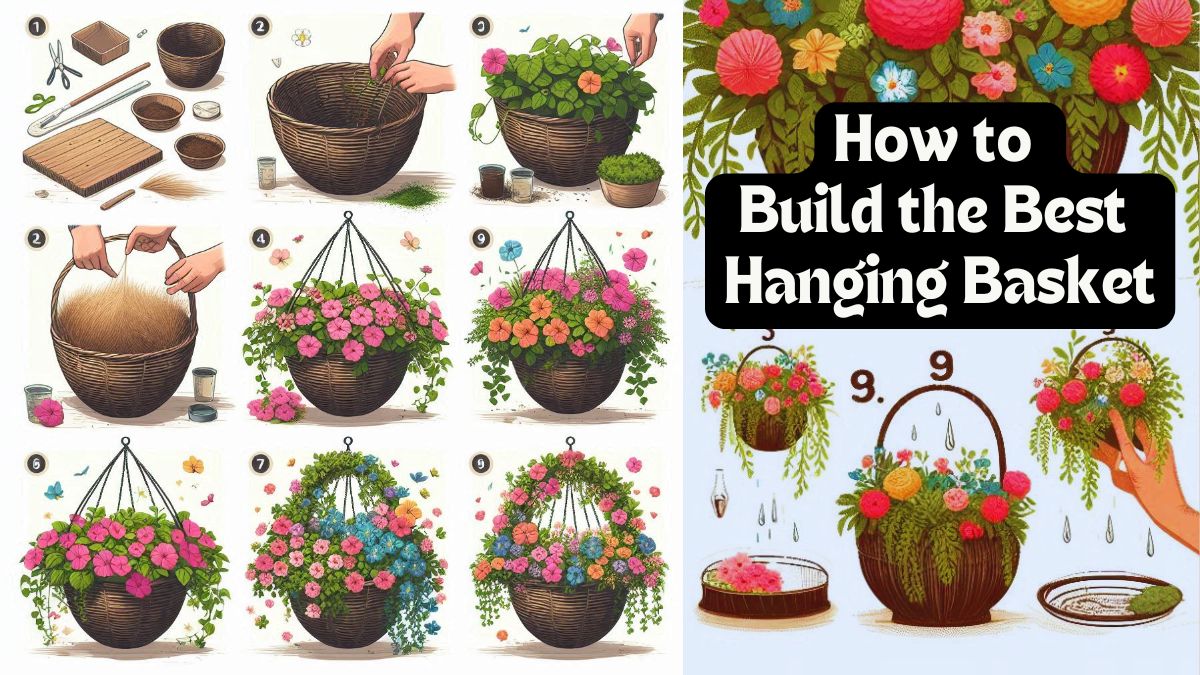
Hanging baskets are a fantastic way to add color and charm to your garden, porch, or patio. They are versatile, easy to maintain, and can be customized to suit any style. Here’s a comprehensive guide to help you build the best hanging basket that will thrive and impress.
Choosing the Right Basket and Liner
The first step in creating a stunning hanging basket is selecting the right basket and liner. Opt for a larger basket, as it will hold more soil and retain moisture better. Common materials for baskets include wire, plastic, and wicker. Wire baskets with coco fiber or sphagnum moss liners are popular choices because they provide good drainage and a natural look.
Selecting the Soil
A high-quality, lightweight potting mix is essential for hanging baskets. Avoid using garden soil, as it can be too heavy and may not drain well. A good potting mix should contain peat moss, perlite, and vermiculite. Some mixes also include slow-release fertilizers, which can provide nutrients over time.
Choosing the Plants
When selecting plants for your hanging basket, consider a mix of thrillers, fillers, and spillers. Thrillers are the focal point and usually have bold colors or interesting textures. Fillers are medium-height plants that add volume, while spillers are trailing plants that cascade over the edges of the basket. Popular choices include petunias, geraniums, lobelia, and ivy.
Planting Your Basket
- Prepare the Basket: Start by placing the liner in the basket. If using a wire basket, ensure the liner covers the sides and bottom completely. Fill the basket about halfway with potting mix.
- Add a Water Reservoir: To help retain moisture, consider adding a water reservoir. This can be a small plastic bottle with holes punched in it, placed in the center of the basket. Fill the basket with more potting mix, leaving about an inch from the top.
- Planting: Begin by planting the thriller in the center of the basket. Next, add the fillers around the thriller, and finally, place the spillers near the edges. Ensure each plant is firmly in place and the roots are covered with soil.
- Watering: Water the basket thoroughly after planting. The soil should be moist but not waterlogged. Hanging baskets dry out faster than ground plants, so regular watering is crucial, especially during hot weather.
Fertilizing and Maintenance
To keep your hanging basket looking its best, regular feeding is essential. Use a balanced, water-soluble fertilizer every two weeks. Deadhead spent flowers to encourage new blooms and pinch back any leggy growth to maintain a compact shape.
Positioning Your Basket
Hanging baskets can be placed in various locations, but it’s important to consider the light requirements of your plants. Most flowering plants prefer full sun to partial shade. Ensure the basket is securely hung and can support the weight of the soil and plants, especially when wet.
Seasonal Care
As the seasons change, so should your hanging basket. In spring and summer, vibrant, sun-loving plants are ideal. In fall, switch to cooler-weather plants like pansies and ornamental kale. During winter, consider using evergreens or hardy succulents that can withstand colder temperatures.
Troubleshooting Common Issues
- Wilting Plants: This is often due to underwatering or poor drainage. Ensure your basket has adequate drainage holes and water regularly.
- Yellowing Leaves: This can be a sign of overwatering or nutrient deficiency. Check the soil moisture and adjust your watering schedule. Fertilize as needed.
- Pests: Keep an eye out for common pests like aphids and spider mites. Treat infestations promptly with insecticidal soap or neem oil.
Conclusion
Building the best hanging basket involves careful selection of materials, plants, and proper maintenance. With these tips, you can create a beautiful, thriving hanging basket that adds a splash of color and life to any space. Happy gardening!