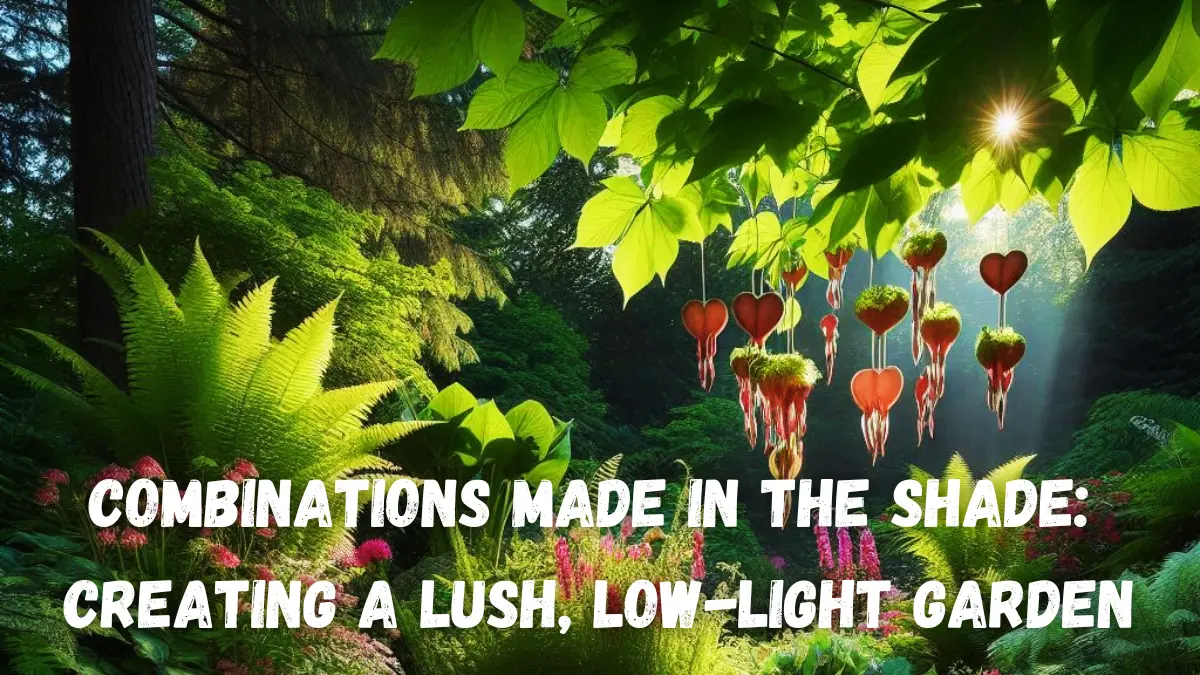
Gardening in the shade can be a delightful challenge, offering a unique opportunity to create a lush, serene oasis. While many gardeners might feel limited by low-light conditions, the truth is that shade gardens can be just as vibrant and dynamic as their sun-drenched counterparts.
The key lies in selecting the right plant combinations that thrive in the shade and complement each other beautifully. Here, we explore some of the best combinations made in the shade to help you transform your garden into a verdant retreat.
Understanding Shade Conditions
Before diving into plant combinations, it’s essential to understand the different types of shade. Shade can range from light or dappled shade, where sunlight filters through tree canopies, to deep shade, where little to no direct sunlight reaches the ground. Knowing your garden’s shade conditions will help you choose plants that are best suited for those areas.
The Power of Pairing
When it comes to shade gardening, pairing plants thoughtfully can enhance their beauty and ensure they thrive. Here are some tried-and-true combinations that work wonders in shaded areas:
- Hostas and Ferns
- Hostas are shade garden staples known for their lush foliage and variety of colors and textures. Pairing them with ferns, such as the Christmas fern (Polystichum acrostichoides), creates a stunning contrast. The broad, bold leaves of hostas complement the delicate, feathery fronds of ferns, adding depth and interest to your garden.
- Astilbes and Heucheras
- Astilbes bring a splash of color to the shade with their feathery plumes of flowers in shades of pink, red, and white. Combine them with heucheras (coral bells), which offer a wide range of foliage colors from deep burgundy to lime green. This combination not only provides visual appeal but also ensures a prolonged blooming period.
- Bleeding Hearts and Solomon’s Seal
- For a touch of elegance, pair bleeding hearts (Dicentra spectabilis) with Solomon’s seal (Polygonatum spp.). The arching stems and heart-shaped flowers of bleeding hearts create a romantic look, while Solomon’s seal adds height and structure with its graceful, arching stems and bell-shaped flowers.
- Brunnera and Tiarella
- Brunnera (Brunnera macrophylla), also known as Siberian bugloss, features heart-shaped leaves with silver markings and clusters of tiny blue flowers. Pair it with tiarella (foamflower), which has delicate, frothy blooms and attractive foliage. Together, they create a charming woodland garden feel.
Adding Texture and Color
In addition to pairing plants, consider incorporating a variety of textures and colors to make your shade garden more visually appealing. Here are some tips:
- Variegated Foliage: Plants with variegated leaves, such as variegated hostas or Japanese forest grass (Hakonechloa macra), can brighten up shady areas and add interest.
- Bold Colors: Use plants with bold foliage colors, like purple heucheras or golden Japanese forest grass, to create focal points and draw the eye.
- Layering: Create layers by planting taller plants at the back and shorter ones in the front. This not only adds depth but also ensures that all plants receive adequate light.
Maintenance Tips
Shade gardens generally require less maintenance than sun gardens, but there are still some essential care tips to keep in mind:
- Watering: Shade gardens can dry out more slowly, so be mindful of overwatering. Ensure good drainage to prevent root rot.
- Mulching: Apply a layer of mulch to retain moisture and suppress weeds. Organic mulch, such as leaf mold or compost, also enriches the soil.
- Pruning: Regularly prune dead or damaged foliage to keep your garden looking tidy and healthy.
Conclusion
Creating a beautiful shade garden is all about choosing the right plant combinations and understanding your garden’s unique conditions.
By pairing plants thoughtfully and incorporating a variety of textures and colors, you can transform even the shadiest corner of your garden into a lush, inviting retreat. Embrace the challenge of shade gardening, and you’ll be rewarded with a serene and stunning outdoor space.
I hope this article helps you create a thriving shade garden! If you have any specific plants or combinations in mind, feel free to share, and I can provide more tailored advice. Happy gardening! 🌿