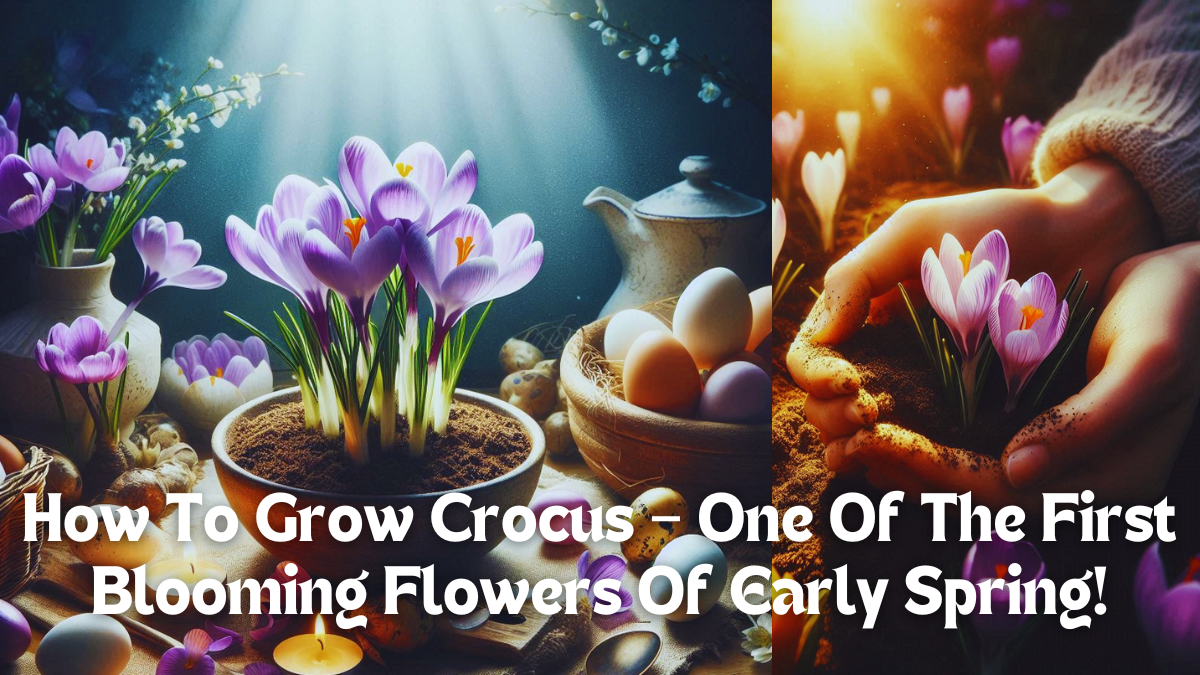
Growing crocuses is a delightful way to welcome the arrival of spring. These vibrant, early-blooming flowers are not only beautiful but also relatively easy to cultivate. Here’s a comprehensive guide on how to grow crocuses and enjoy their cheerful blooms year after year.
Choosing the Right Crocus Varieties
Crocuses come in various species and cultivars, each offering unique colors and bloom times. Some popular varieties include:
- Crocus vernus: Known as the Dutch crocus, it produces large, colorful flowers.
- Crocus chrysanthus: Also called snow crocus, it blooms earlier than other varieties and features smaller, delicate flowers.
- Crocus sativus: The saffron crocus, which produces the valuable spice saffron.
Planting Crocus Bulbs
When to Plant
Crocus bulbs, also known as corms, should be planted in the fall, about 6-8 weeks before the first hard frost. This allows them to establish roots before winter.
Where to Plant
Choose a location that receives full to partial sunlight. Crocuses prefer well-draining soil and can thrive in garden beds, borders, or even lawns. Ensure the planting site is free from waterlogging, as crocuses do not tolerate soggy conditions.
How to Plant
- Prepare the Soil: Loosen the soil to a depth of about 6-8 inches and mix in some compost to improve fertility and drainage.
- Planting Depth: Plant the corms about 3-4 inches deep, with the pointed end facing up. Space them 3-4 inches apart to allow for growth.
- Watering: Water the corms thoroughly after planting to help them settle in. After this initial watering, they generally do not require much additional water.
Caring for Crocuses
Watering
Crocuses are relatively drought-tolerant once established. Water them sparingly during dry spells, but avoid overwatering, which can lead to rot.
Fertilizing
Crocuses benefit from a light application of balanced fertilizer in early spring as they begin to grow. Avoid over-fertilizing, as this can lead to excessive foliage growth at the expense of flowers.
Mulching
Applying a thin layer of mulch can help retain soil moisture and suppress weeds. However, be careful not to cover the corms too deeply, as this can hinder their growth.
Encouraging Blooming
Light Requirements
Ensure your crocuses receive adequate sunlight. While they can tolerate partial shade, full sun will result in the best blooms.
Temperature
Crocuses need a period of cold dormancy to bloom successfully. If you live in a warmer climate, consider chilling the corms in the refrigerator for 6-8 weeks before planting.
Pest and Disease Management
Crocuses are generally hardy and resistant to many pests and diseases. However, they can occasionally be affected by:
- Rodents: Squirrels and mice may dig up and eat the corms. To deter them, consider using wire mesh or planting the corms in bulb cages.
- Fungal Diseases: Ensure good air circulation and avoid overwatering to prevent fungal infections.
After Bloom Care
Deadheading
Once the flowers fade, remove spent blooms to prevent the plant from putting energy into seed production. This encourages the corms to store energy for the next growing season.
Foliage
Allow the foliage to die back naturally. The leaves continue to photosynthesize and provide energy to the corms for next year’s blooms. Avoid cutting back the foliage until it has turned yellow and withered.
Propagation
Crocuses can be propagated by dividing the corms. Every few years, dig up the corms after the foliage has died back and separate the offsets. Replant them immediately or store them in a cool, dry place until fall.
Conclusion
Growing crocuses is a rewarding experience that brings a splash of color to your garden at the very start of spring. By following these tips on planting, care, and propagation, you can enjoy these charming flowers year after year. Happy gardening!