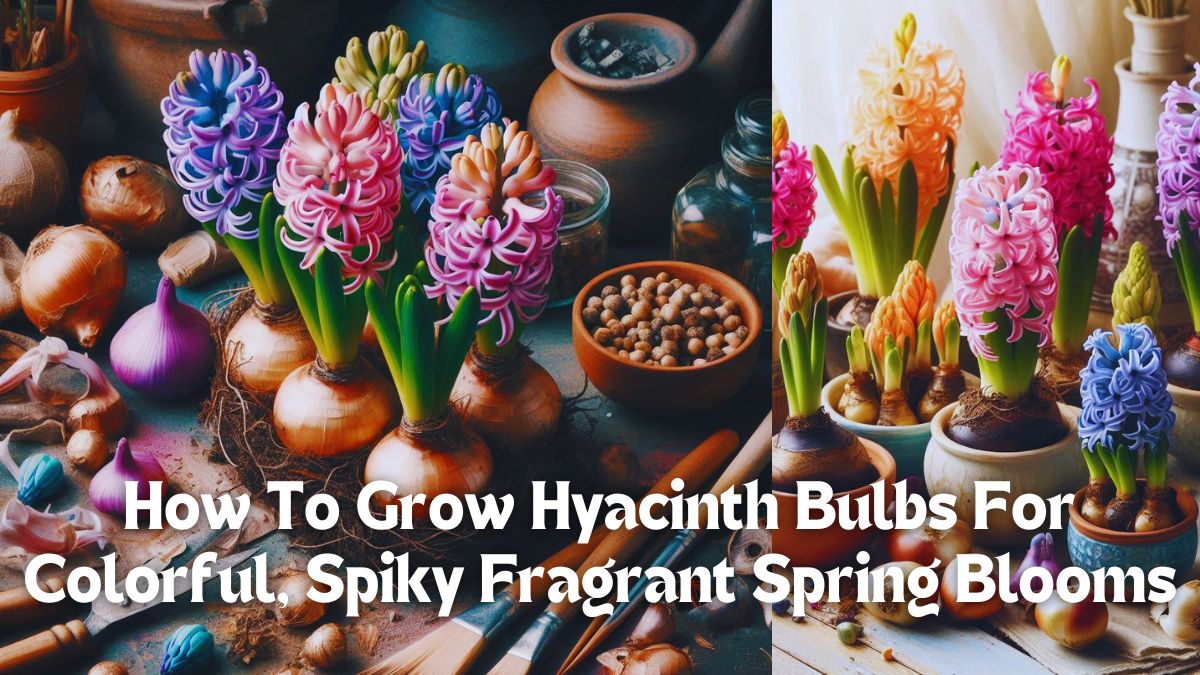
Hyacinths are a delightful addition to any garden, offering vibrant colors and a sweet fragrance that heralds the arrival of spring. These bulbs are relatively easy to grow and can thrive in various settings, from garden beds to containers. Here’s a comprehensive guide to help you grow hyacinth bulbs successfully.
Choosing the Right Bulbs
When selecting hyacinth bulbs, opt for firm, healthy bulbs without any signs of mold or damage. Hyacinths come in a variety of colors, including blue, pink, white, and purple, so choose the ones that best complement your garden design.
Planting Time and Location
Hyacinth bulbs should be planted in the fall, about six to eight weeks before the first hard frost. This timing allows the bulbs to establish roots before the ground freezes. Choose a location that receives full sun to partial shade and has well-draining soil. Hyacinths prefer slightly acidic to neutral soil.
Preparing the Soil
Good drainage is crucial for hyacinths, as waterlogged soil can cause the bulbs to rot. If your garden soil is heavy clay, consider amending it with compost or sand to improve drainage. Raised beds or containers with drainage holes are also excellent options for planting hyacinths.
Planting the Bulbs
Plant hyacinth bulbs about 4 to 6 inches deep, with the pointed end facing up. Space the bulbs 3 to 6 inches apart to allow for proper air circulation and growth. Cover the bulbs with soil and water them thoroughly to help them settle in.
Caring for Hyacinths
Once planted, hyacinth bulbs require minimal care. Water the bulbs regularly, especially during dry spells, but avoid overwatering. Mulching around the plants can help retain moisture and suppress weeds. As the plants grow, you may need to stake them to prevent the flower spikes from toppling over.
Fertilizing
Hyacinths benefit from a balanced fertilizer applied at planting time and again in early spring as the shoots emerge. A slow-release bulb fertilizer or a general-purpose garden fertilizer works well. Follow the manufacturer’s instructions for application rates.
Post-Bloom Care
After the hyacinths have finished blooming, cut off the spent flower stalks but leave the foliage intact. The leaves will continue to photosynthesize and provide energy to the bulbs for next year’s blooms. Once the foliage has yellowed and died back, you can remove it.
Overwintering
In colder climates, hyacinth bulbs can be left in the ground over winter. In warmer regions where the ground doesn’t freeze, you may need to dig up the bulbs and store them in a cool, dry place for a few months to mimic the chilling period they require.
Growing Hyacinths in Containers
Hyacinths can also be grown in containers for a stunning spring display. Use a well-draining potting mix and plant the bulbs as you would in the ground. Place the containers in a cool, sunny spot and water them regularly. Once the flowers bloom, you can move the containers to a prominent location to enjoy their beauty and fragrance.
Common Pests and Problems
Hyacinths are relatively pest-resistant, but they can occasionally be affected by bulb rot, especially in poorly drained soil. Ensure good drainage and avoid overwatering to prevent this issue. Slugs and snails may also be attracted to the foliage, so keep an eye out and take appropriate measures if needed.
Conclusion
With their vibrant colors and delightful fragrance, hyacinths are a wonderful addition to any garden. By following these simple steps, you can enjoy a stunning display of hyacinth blooms each spring. Whether planted in the ground or in containers, these bulbs are sure to bring joy and beauty to your garden.