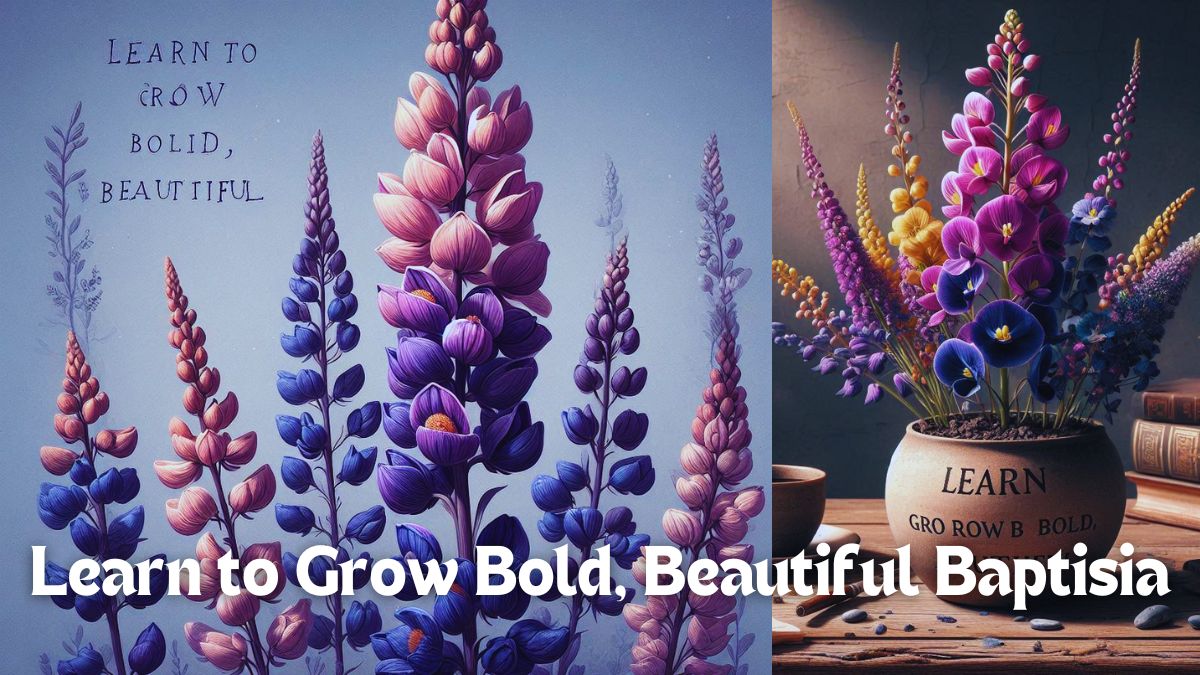
Baptisia, commonly known as false indigo, is a stunning perennial that brings bold color and structure to any garden. With its lupine-like flowers and hardy nature, Baptisia is a favorite among gardeners looking for low-maintenance yet striking plants. Here’s a comprehensive guide to help you grow and enjoy these beautiful plants.
Choosing the Right Variety
Baptisia comes in several varieties, each offering unique colors and characteristics. Popular choices include Baptisia australis (blue false indigo), Baptisia alba (white false indigo), and Baptisia sphaerocarpa (yellow false indigo). Select a variety that complements your garden’s color scheme and suits your climate.
Planting Time and Location
Baptisia thrives in full sun to partial shade and prefers well-draining soil. Planting in early spring or fall is ideal, giving the plants time to establish roots before extreme temperatures set in. Choose a location with plenty of space, as mature Baptisia plants can grow up to 4 feet tall and wide.
Soil Preparation
Good soil preparation is key to successful Baptisia growth. These plants prefer slightly acidic to neutral soil. If your soil is heavy clay, amend it with compost or sand to improve drainage. Raised beds can also be a good option if your garden soil is not ideal.
Planting Baptisia
Dig a hole twice as wide and just as deep as the root ball of your Baptisia plant. Place the plant in the hole, ensuring the top of the root ball is level with the soil surface. Backfill with soil, firming it gently around the roots. Water thoroughly to help the plant settle in.
Watering and Mulching
Baptisia is drought-tolerant once established, but regular watering is crucial during the first growing season. Water deeply to encourage deep root growth. Mulching around the base of the plant helps retain moisture and suppress weeds. Use organic mulch like straw or wood chips for best results.
Fertilizing
Baptisia generally doesn’t require much fertilization. However, a light application of a balanced, slow-release fertilizer in early spring can promote healthy growth. Avoid over-fertilizing, as this can lead to weak, leggy plants.
Pruning and Maintenance
Baptisia requires minimal maintenance. Deadhead spent flowers to encourage more blooms and prevent self-seeding. In late fall, cut back the stems to a few inches above the ground. This helps the plant conserve energy for the next growing season. Baptisia is also resistant to most pests and diseases, making it a hassle-free addition to your garden.
Propagation
Baptisia can be propagated by seed or division. Seeds should be sown in the fall or early spring. For division, dig up the plant in early spring or fall and carefully separate the root clumps. Replant the divisions immediately and water well.
Companion Planting
Baptisia pairs well with other perennials like coneflowers, black-eyed Susans, and ornamental grasses. Its bold foliage and flowers provide a striking contrast to these plants, creating a visually appealing garden design.
Enjoying Baptisia in Your Garden
With its bold, beautiful blooms and easy-care nature, Baptisia is a fantastic choice for any garden. Whether you’re looking to add a splash of color to a perennial border or create a low-maintenance landscape, Baptisia is sure to impress. Enjoy the vibrant flowers in spring and the attractive seed pods that follow, adding interest to your garden throughout the growing season.