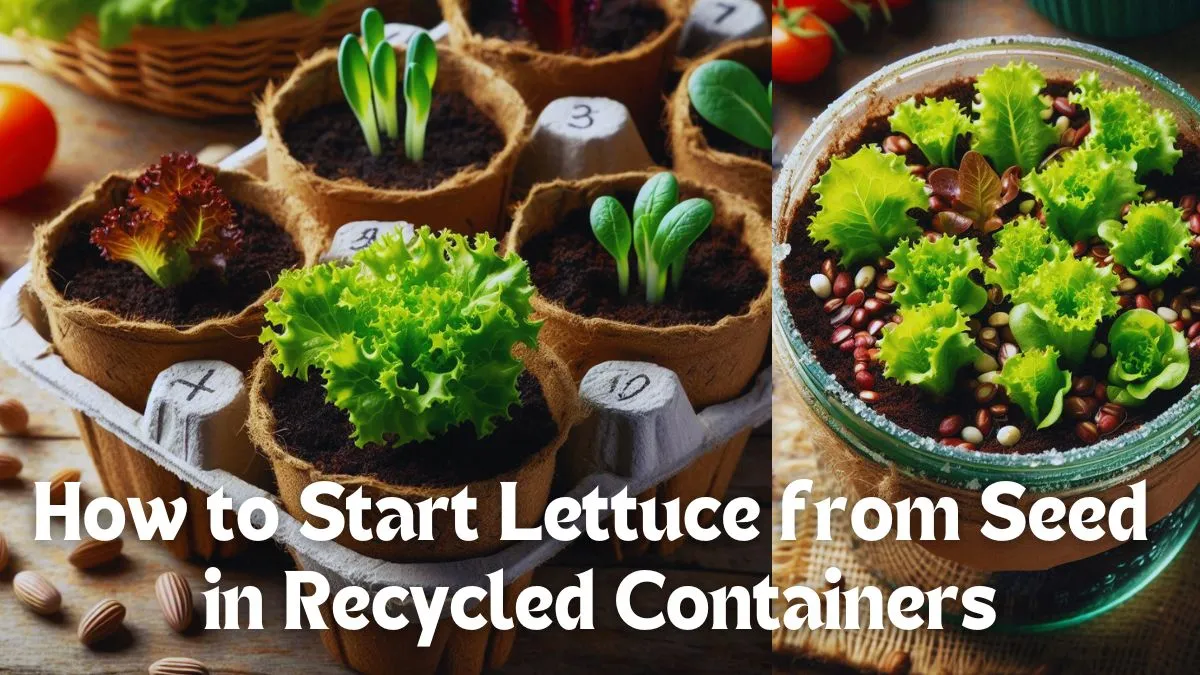
Starting lettuce from seed in recycled containers is a sustainable and rewarding way to grow your own fresh greens. This method not only reduces waste but also provides a cost-effective solution for urban gardening. Here’s a step-by-step guide to help you get started.
Why Choose Recycled Containers?
Using recycled containers for gardening is an excellent way to repurpose items that would otherwise end up in landfills. Containers such as plastic bottles, yogurt cups, and old buckets can be transformed into perfect homes for your lettuce seeds. This approach supports environmental sustainability and can be a fun DIY project.
Selecting the Right Containers
When choosing containers, ensure they have adequate drainage. Lettuce requires well-drained soil to prevent root rot. Here are some container options:
- Plastic Bottles: Cut them in half and poke holes at the bottom for drainage.
- Yogurt Cups: These are perfect for starting seeds. Just make sure to add drainage holes.
- Old Buckets: Ideal for growing multiple plants. Drill holes at the bottom for water to escape.
Preparing the Containers
- Clean the Containers: Wash them thoroughly with soap and water to remove any residues.
- Add Drainage Holes: Use a drill or a sharp object to create holes at the bottom of the containers.
- Fill with Soil: Use a high-quality potting mix. You can also add compost to enrich the soil.
Planting the Lettuce Seeds
- Sow the Seeds: Sprinkle the lettuce seeds evenly over the soil surface. Lettuce seeds are tiny, so be careful not to plant them too deep. A light covering of soil is sufficient.
- Watering: Gently water the seeds using a spray bottle to avoid displacing them. Keep the soil moist but not waterlogged.
- Light and Temperature: Place the containers in a location that receives plenty of sunlight. Lettuce thrives in cool weather, so aim for a temperature range of 60-70°F (15-21°C).
Caring for Your Lettuce Plants
- Thinning: Once the seedlings have grown a few inches tall, thin them out to prevent overcrowding. This ensures each plant has enough space to grow.
- Watering: Keep the soil consistently moist. Lettuce has shallow roots, so regular watering is essential.
- Fertilizing: Use a balanced, water-soluble fertilizer every two weeks to promote healthy growth.
Harvesting Your Lettuce
Lettuce can be harvested in stages. You can start picking the outer leaves once they are large enough to eat, allowing the inner leaves to continue growing. This method, known as “cut-and-come-again,” provides a continuous supply of fresh lettuce.
Benefits of Growing Lettuce in Recycled Containers
- Cost-Effective: Utilizing recycled containers reduces the need for purchasing new pots.
- Environmental Impact: Repurposing items helps reduce waste and promotes sustainability.
- Accessibility: This method is perfect for urban gardeners with limited space.
- Fresh Produce: Enjoy the taste of homegrown lettuce, free from pesticides and chemicals.
Conclusion
Starting lettuce from seed in recycled containers is a simple and eco-friendly way to enjoy fresh greens at home. By following these steps, you can create a sustainable garden that benefits both you and the environment. Happy gardening!
Feel free to ask if you need more tips or have any other gardening questions! 🌱
Thank You